Product Description
WHY CHOOSE US
PRODUCT DETAILS
The MJ Series Helical Bevel Gearbox and Gear Reducer is an advanced drive solution engineered to deliver superior performance, durability, and efficiency for various industrial applications. These gear motors are designed precisely to operate reliably under the most demanding conditions, making them suitable for multiple industries.
| Brand |
TANHON |
|---|---|
| HS Code |
84834 0571 0 |
| Housing Material |
Ductile Iron QT400/QT600, Gray Cast Iron HT250 |
| Gear Material |
20CrMnTi |
| Shaft Material |
40Cr |
| Corrosion Resistance Class |
C1, C2, C3, C4, C5-I, C5-M |
| Warranty |
12 Months |
| Country of Origin |
China |
| Country of Supply |
China |
Main Application Industries
Agriculture, Animal Husbandry, Automotive Industry, Cement Industry, Chemical Industry, Food Industry, Lifting Industry, Mining Industry, Packaging Industry, Renewable Energy, Steel Industry, Textile Industry, Water Treatment, etc.
Model Structural Type
- Model MJ: Foot-Mounted Helical Bevel Gearbox
- Model MJAB: Foot-Mounted Helical Bevel Gearbox with Hollow Shaft
- Model MJF: Helical Bevel Gearbox in B5 Flange-Mounted Version
- Model MJAF: Helical Bevel Gearbox in B5 Flange-Mounted Version with Hollow Shaft
- Model MJA: Helical Bevel Gearbox with Hollow Shaft
- Model MJAT: Helical Bevel Gearbox in Torque-Arm Version with Hollow Shaft
- Model MJAZ: Helical Bevel Gearbox in B14 Flange-Mounted Version with Hollow Shaft
- Model MJHB: Foot and Expansion Plate Installation Spiral Helical Bevel Gearbox
- Model MJHF: B5 Flange and Expansion Plate Installation Parallel Shaft Helical Bevel Gearbox
- Model MJH: Expansion Plate Installation Spiral Helical Bevel Gearbox
- Model MJHT: Expansion Plate Installation with Reverse Rotary Arm Fixation Spiral Helical Bevel Gearbox
- Model MJHZ: B14 Flange and Expansion Plate Installation Spiral Helical Bevel Gearbox
Technical Parameters
- Size Type: 39/49/59/69/79/89/99/109/129/159/169/189
- Output Torque: Up to 50000 N.m
- Output Speed: 0.04~265 r/min
- Input Power: 0.12~200 kW
-
Output Shaft: Parallel Key CHINAMFG Shaft, Parallel Key Hollow Shaft, Shrink Disk Hollow Shaft, Involute Splined Hollow Shaft
OUR EQUIPMENT
Certifications
FAQ
/* October 22, 2571 15:47:17 */(()=>{function d(e,r){var a,o={};try{e&&e.split(“,”).forEach(function(e,t){e&&(a=e.match(/(.*?):(.*)$/))&&1
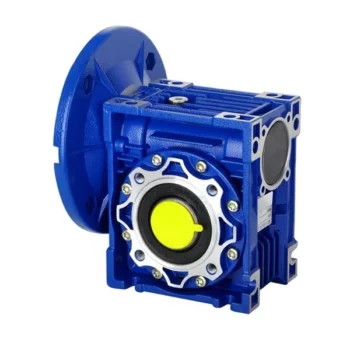
How to Install and Align a Worm Reducer Properly
Proper installation and alignment of a worm reducer are crucial for ensuring optimal performance and longevity. Follow these steps to install and align a worm reducer:
- Preparation: Gather all the necessary tools, equipment, and safety gear before starting the installation process.
- Positioning: Place the worm reducer in the desired location, ensuring that it is securely mounted to a stable surface. Use appropriate fasteners and mounting brackets as needed.
- Shaft Alignment: Check the alignment of the input and output shafts. Use precision measurement tools to ensure that the shafts are parallel and in line with each other.
- Base Plate Alignment: Align the base plate of the reducer with the foundation or mounting surface. Ensure that the base plate is level and properly aligned before securing it in place.
- Bolt Tightening: Gradually and evenly tighten the mounting bolts to the manufacturer’s specifications. This helps ensure proper contact between the reducer and the mounting surface.
- Check for Clearance: Verify that there is enough clearance for any rotating components or parts that may move during operation. Avoid any interference that could cause damage or performance issues.
- Lubrication: Apply the recommended lubricant to the worm reducer according to the manufacturer’s guidelines. Proper lubrication is essential for smooth operation and reducing friction.
- Alignment Testing: After installation, run the worm reducer briefly without a load to check for any unusual noises, vibrations, or misalignment issues.
- Load Testing: Gradually introduce the intended load to the worm reducer and monitor its performance. Ensure that the reducer operates smoothly and efficiently under the load conditions.
It’s important to refer to the manufacturer’s installation guidelines and specifications for your specific worm reducer model. Proper installation and alignment will contribute to the gearbox’s reliability, efficiency, and overall functionality.
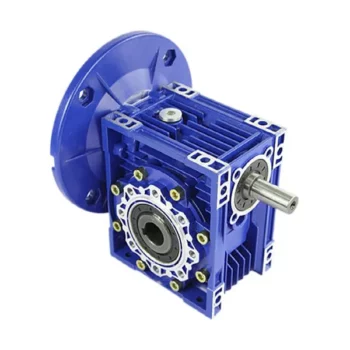
Energy Efficiency of a Worm Gearbox: What to Expect
The energy efficiency of a worm gearbox is an important factor to consider when evaluating its performance. Here’s what you can expect in terms of energy efficiency:
- Typical Efficiency Range: Worm gearboxes are known for their compact size and high gear reduction capabilities, but they can exhibit lower energy efficiency compared to other types of gearboxes. The efficiency of a worm gearbox typically falls in the range of 50% to 90%, depending on various factors such as design, manufacturing quality, lubrication, and load conditions.
- Inherent Losses: Worm gearboxes inherently involve sliding contact between the worm and worm wheel. This sliding contact generates friction, leading to energy losses in the form of heat. The sliding action also contributes to lower efficiency when compared to gearboxes with rolling contact.
- Helical-Worm Design: Some manufacturers offer helical-worm gearbox designs that combine elements of helical and worm gearing. These designs aim to improve efficiency by incorporating helical gears in the reduction stage, which can lead to higher efficiency compared to traditional worm gearboxes.
- Lubrication: Proper lubrication plays a significant role in minimizing friction and improving energy efficiency. Using high-quality lubricants and ensuring the gearbox is adequately lubricated can help reduce losses due to friction.
- Application Considerations: While worm gearboxes might have lower energy efficiency compared to other types of gearboxes, they still offer advantages in terms of compactness, high torque transmission, and simplicity. Therefore, the decision to use a worm gearbox should consider the specific requirements of the application, including the trade-off between energy efficiency and other performance factors.
When selecting a worm gearbox, it’s essential to consider the trade-offs between energy efficiency, torque transmission, gearbox size, and the specific needs of the application. Regular maintenance, proper lubrication, and selecting a well-designed gearbox can contribute to achieving the best possible energy efficiency within the limitations of worm gearbox technology.
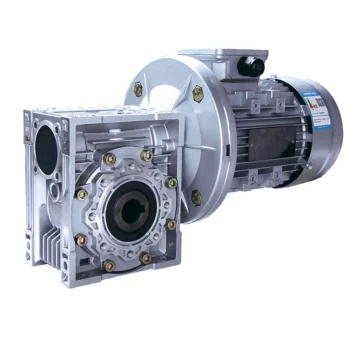
Preventing Backlash in a Worm Gearbox
Backlash in a worm gearbox can lead to reduced accuracy, positioning errors, and decreased overall efficiency. Here are steps to prevent or minimize backlash:
- High-Quality Components: Use high-quality worm gears and worm wheels with tight manufacturing tolerances. Precision components will help reduce backlash.
- Proper Meshing: Ensure the worm gear and worm wheel are properly aligned and meshed. Improper meshing can lead to increased backlash.
- Preload: Applying a small amount of preload to the worm gear can help reduce backlash. However, excessive preload can increase friction and wear.
- Anti-Backlash Mechanisms: Consider using anti-backlash mechanisms, such as spring-loaded systems or adjustable shims, to compensate for any inherent backlash.
- Lubrication: Proper lubrication can reduce friction and play a role in minimizing backlash. Use a lubricant that provides good film strength and reduces wear.
- Maintenance: Regularly inspect and maintain the gearbox to identify and address any changes in backlash over time.
It’s important to strike a balance between reducing backlash and maintaining smooth operation. Consulting with gearbox experts and following manufacturer guidelines will help you optimize your worm gearbox’s performance while minimizing backlash.


editor by lmc 2024-11-29