This is certainly a chain selection process taking deterioration of strength in relation to temperature into consideration. Please use ideal lubricant for your temperature at which the chain is to be utilized. Seek the advice of us for particulars.
one. Effects of temperature over the chains
1.1 Effects of higher temperature
one) Increased dress in brought on 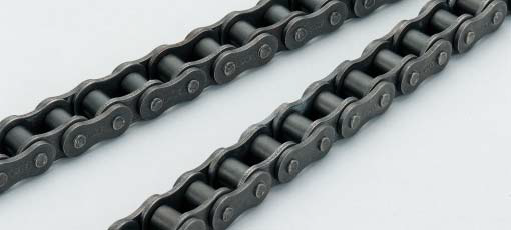 by reduce in hardness
2) Increased elongation caused by softening
three) Lubricant degradation, defective flexion induced by carbonization
four) Increase in wear and defective flexion caused by development of scales
two. Kilowatt ratings according to temperature
one.two Effects of reduced temperature
one) Decrease in resistance to shock brought about by reduced temperature brittleness.
2) Defective flexion caused by lubrication oil coagulation.
three) Defective flexion brought on by adhesion of frost and ice.
four) Rusting triggered by water-drops.
3. Chain Selection in accordance to Temperature
(Chain speed=50m/min or less)
4. Use of Stainless Steel Chains (SS, SSK) at substantial temperatures
Stainless steel chains (SS, SSK) may be employed up to 400??C, but be aware the ambient temperature as well as chain temperature could vary. The power from the chain decreases since the temperature rises. Particularly at substantial temperatures, the higher the temperature rises, the chain will rupture by a reduce load (creep rupture).
In addition, defective flexion or defective chain revolution occurs as a consequence of heat expansion. To be able to protect against such troubles, alter the clearance amongst chains. Talk to us when using chains at 400??C or higher.
Chains can not be utilised at 700??C or increased.